2012-2014 Australian Decimal Effigies Silver Dollar Series

2012 Australian Decimal Effigies Silver Proof Dollar -Machin 1966

2012 Australian Decimal Effigies Silver Proof Dollar -Machin 1966


With newly released coins celebrating the Queen’s 90th birthday showcasing past portraits of the Queen used on Australian coins perhaps it’s time to brush up on some lesser known coins that you might just need in your collection.

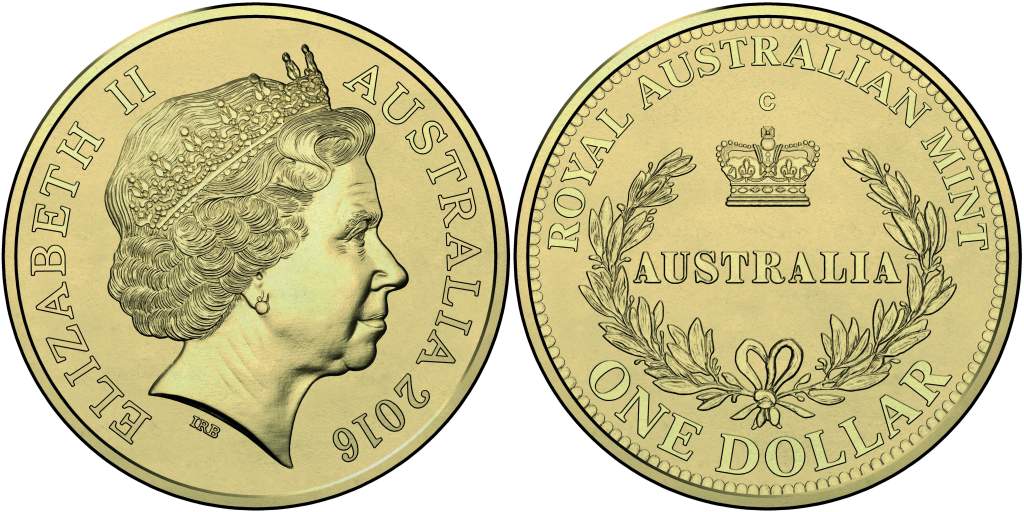
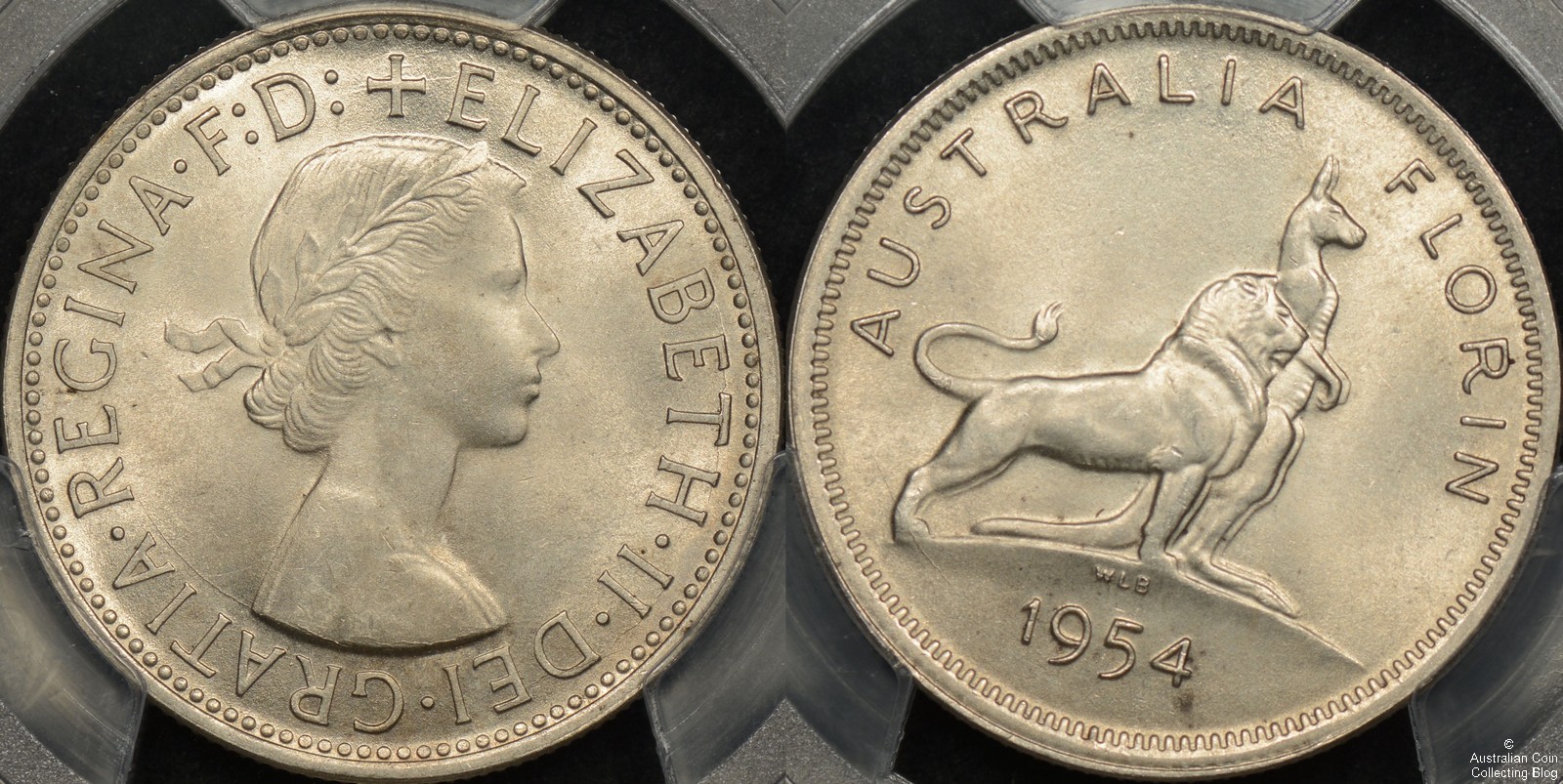
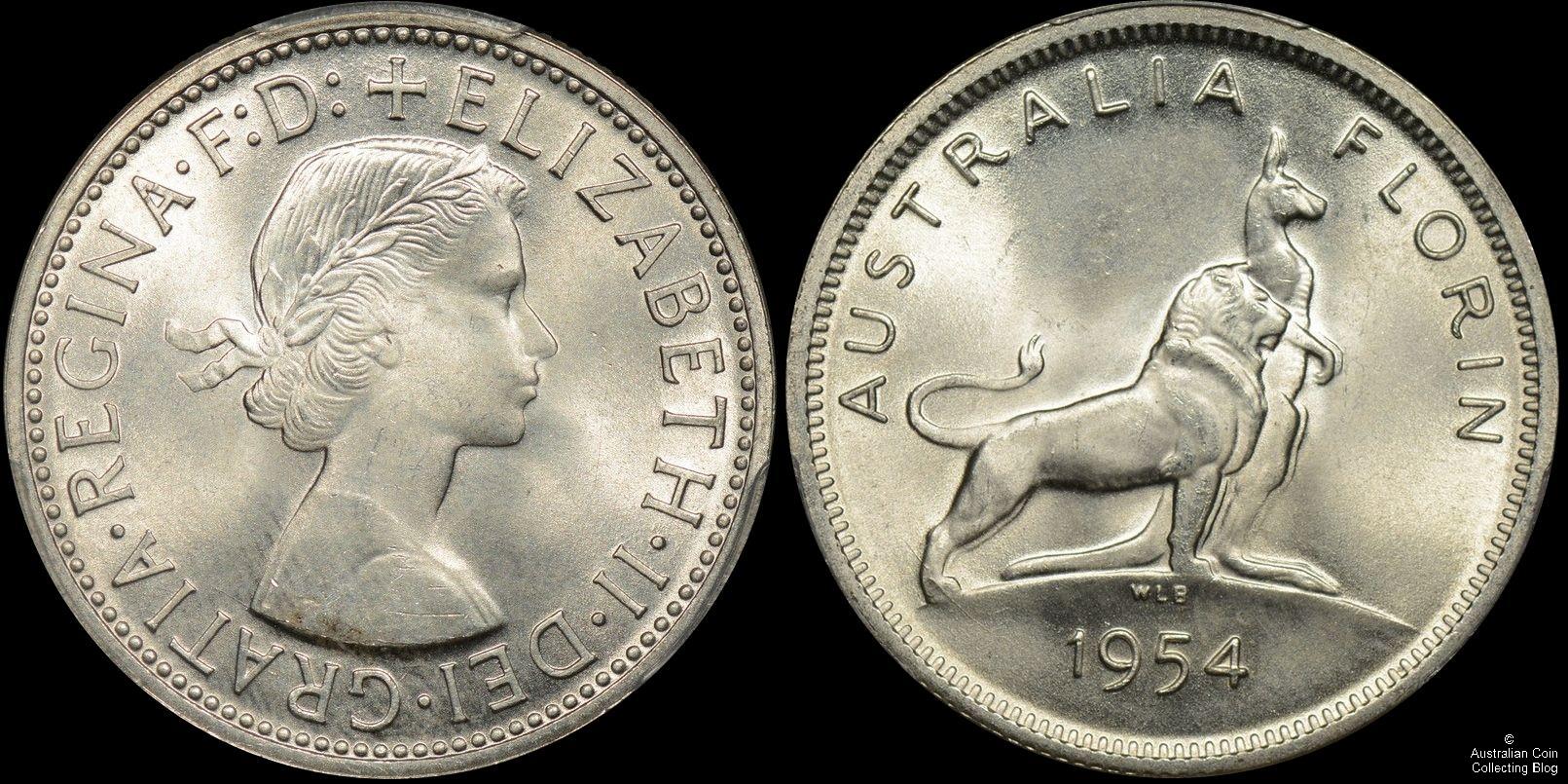
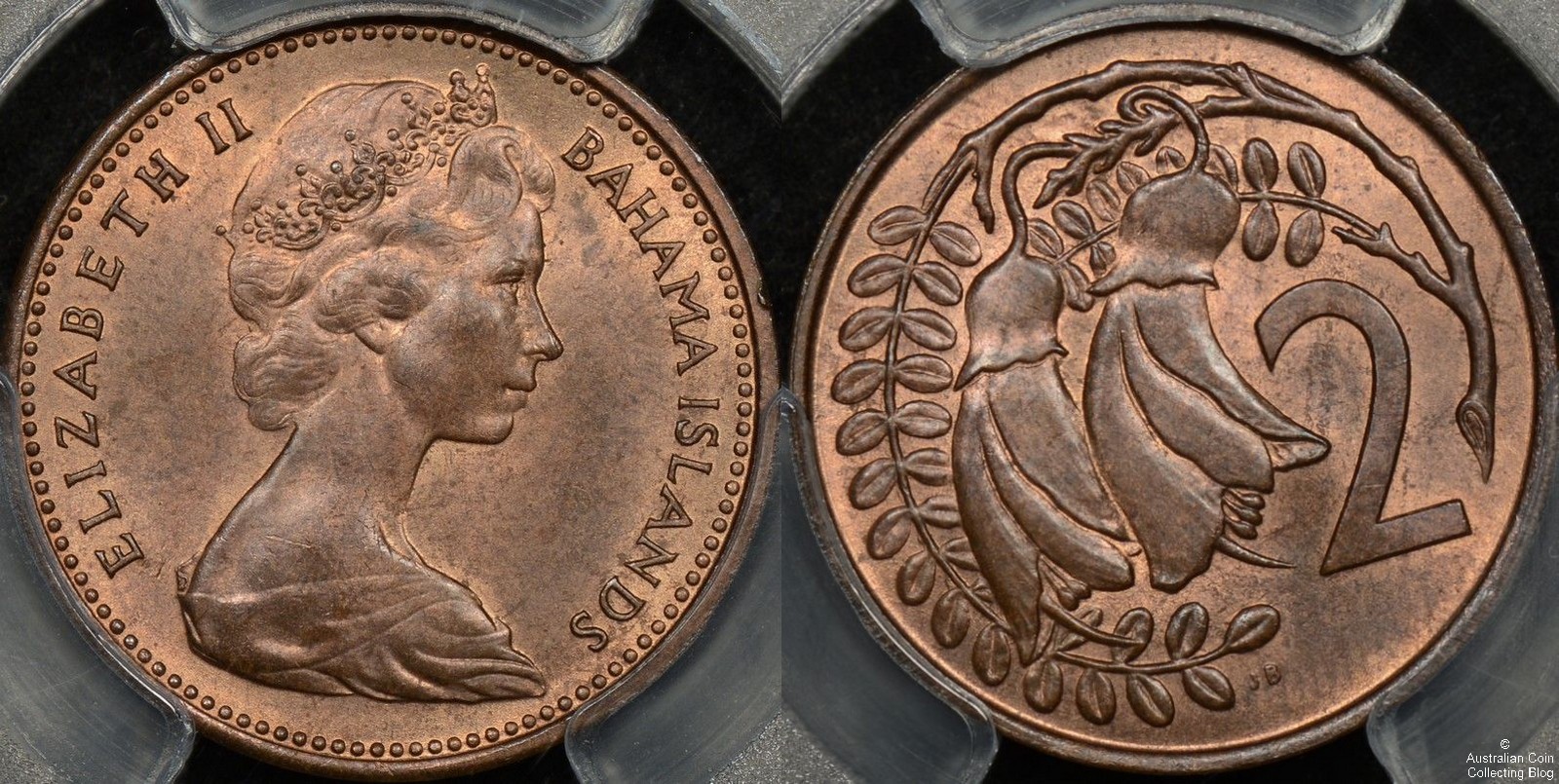
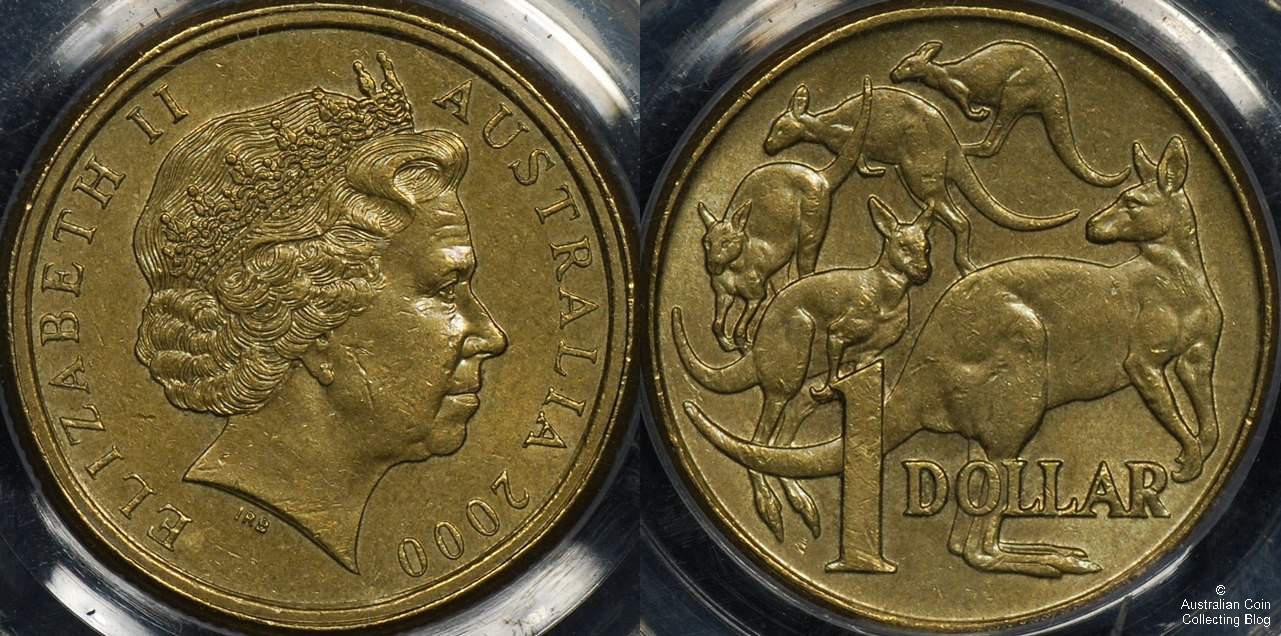
From 2012 to 2014 the Royal Australian Mint (RAM) commemorated the effigies of Queen Elizabeth II used on decimal coins through the years. The RAM struck a 2012 coin with the Arnold Machin young portrait of Her Majesty used in 1966, then in 2013 struck another with the Raphael Maklouf portrait first used in 1985. Both coins had the year of issue and the Ian Rank-Broadley portrait on the obverse and were one dollar coins. This made both coins double headers! The first coin was only offered to RAM customers that were gold and silver members of the “collection by selection” program. This was a system where customers pre-ordered and pre-paid for their entire year of purchases at once and if they purchased between $1,000-$1,999 (silver member) of coins they were offered the chance to buy the gem uncirculated coin. If they spent over $2,000 (gold member) they had the option to buy the proof coin. As a result of the required spending limits the 2012 Machin coin had a mintage of just 100 for both the proof and gem uncirculated silver coins.

The Mint Valued Customer program changed in 2013 and customers became part of the “Mint Legends” program, which is still in operation. As a member of this program collectors were given the opportunity to order the 2013 Effigies coin (the spending limit requirements were removed) and in turn specify the mintage produced. The 2013 Maklouf coin fared a little better than the Machine with 310 proof and 330 gem uncirculated coins struck to demand.

The final coin in the series was a tribute to all three portraits used, neglecting the one-time Gottwald portrait used on a commemorative in 2000. The 2014 Effigies coin featured the 3 portraits in profile, the Rank-Broadley in front, the Maklouf behind and the Machin behind that. Again with the Ian Rank-Broadley older portrait currently in use, dated 2014 and the denomination on the obverse. This third exclusive release was the most popular with Legends subscribers ordering 1,000 proofs and 750 in gem uncirculated. Each coin in the series was struck in .999 fine silver, housed in a capsule in a lined flip-box and an outer cardboard sleeve.

Because of the nature of this issue it really has fallen off of the collecting radar and doesn’t appear to be included in either current Australian Coin catalogues. The mintages of these coins are tiny and one has to wonder, was it really worth producing dies for such a limited production run? These coins were not available or advertised through the regular Mint shop or dealer channels for retail purchase. Did you know they even existed?

2014 1966-2014 Elizabeth II Dollar Gem Unc mintage 750

2014 1966-2014 Elizabeth II Dollar Gem Unc mintage 750

Australian Decimal Effigies Series 2012-2014
.999 Fine Silver Dollars, 25mm, Interrupted Edge Milling, 11.6 grams

2012
Australian Decimal Effigies -Machin 1966
Mintage:100 Gem Uncirculated, 100 Proof
Issue Price: Gem Unc $100, Proof $200
Only available to Collection By Selection Silver and Gold Members
Obv: “2012.1 DOLLAR.ELIZABETH II” Ian Rank-Broadley Portrait of Queen Elizabeth II
Rev: “AUSTRALIAN DECIMAL CURRENCY EFFIGIES MACHIN-1966” Arnold Machin Portrait, Queen Elizabeth II

2013
Australian Decimal Effigies -Maklouf 1985
Mintage:330 Gem Uncirculated, 310 Proof
Issue Price: Gem Unc $100, Proof $200
Legends Subscriber Exclusive Offer
Obv: “2013.1 DOLLAR.ELIZABETH II” Ian Rank-Broadley Portrait of Queen Elizabeth II
Rev: “AUSTRALIAN DECIMAL CURRENCY EFFIGIES MAKLOUF-1985” Raphael Maklouf Portrait, Queen Elizabeth II

2014
Australian Decimal Effigies -Elizabeth II 1966-2014
Mintage:750 Gem Uncirculated, 1,000 Proof
Issue Price: Gem Unc $75, Proof $99
Legends Subscriber Exclusive Offer
Obv: “2014.1 DOLLAR.ELIZABETH II” Ian Rank-Broadley Portrait, Queen Elizabeth II
Rev: “AUSTRALIAN DECIMAL CURRENCY EFFIGIES 1966-2014” All 3 portraits in profile IRB, Maklouf and Machin.

Australian Decimal Effigies Order Forms

Australian Decimal Effigies Order Forms

Posted in Collecting Coins

Queen Elizabeth II 90th Birthday 2016 PNC’s Machin, Maklouf and Rank-Broadley Portrait

Australia Post Stamp Bulletin 342 Sep-Oct 2016. Queen Elizabeth II 90th Birthday PNC Releases

Australia Post Stamp Bulletin 342 Sep-Oct 2016. Queen Elizabeth II 90th Birthday PNC Releases

Collectors, if you missed the made-to-order sets of the special 2016 coins minted to commemorate the Queen’s 90th birthday then here’s another chance to secure these coins in a sneaky release from Australia Post. Keen Canberra Mint (RAM) customers eagerly snapped up 3 coin sets in a special made-to-order issue of these 2016 dated coins with past and present portraits of the Queen. Now, in the way we’ve come to expect the same coins are available individually in Australia Post PNC’s. This is why one must always read the fine print, it’s the SET of three coins that had the limited mintage and it was always possible the Mint would make more coins and have them available in other packaging.

If I may digress for just one moment, on another occasion the Mint offered coins on a made-to-order basis for the Australian Decimal Effigies series 2012-2014. Are the Decimal Effigies coins in your collection? Have you even heard of them? Those coins just don’t appear on the radar of most collectors as they were offered exclusively to RAM Legends subscribers. It was such a poorly publicised issue that has even flown under the radar of those that wrote our esteemed coin catalogues as they are not listed in both major publications! As a consequence they are pretty much unknown and such a tiny mintage probably made the design and manufacture of the dies non profitable for the RAM. It seems obvious to avoid this sort of non-profitable issue that the Mint had no choice but to sneakily increase the mintage of the Queen’s 90th Birthday coins any way they could. On a similar theme, how long do you think it will be before we see the “exclusive” “set only” Holden coin in another collector set or issue type. Perhaps even in another PNC.

Back to the PNC’s of which there are three available.
1966 Machin Portrait 20 cent PNC
Features Arnold Machin obverse portrait of QEII, dated 2016, platypus reverse
$2.75 International stamp
Postmarked Elizabeth SA 26 August 2016
Issue Price $17.95
Number issued 9,000

1985 Maklouf Portrait 20 cent PNC
Features Raphael Maklouf obverse portrait of QEII, dated 2016, platypus reverse
$1 postage stamp
Postmarked Elizabeth SA 26 August 2016
Issue Price $17.95
Number issued 9,000

1998 Rank-Broadley Portrait 50 cent PNC (this is the portrait currently in use -2016)
Features Ian Rank-Broadley obverse portrait of QEII, dated 2016, Coat of Arms reverse
$2.75 International stamp and $1 postage stamp
Postmarked Elizabeth SA 26 August 2016
Issue Price $17.95
Number issued 9,000

Each Postal Numismatic Cover (PNC) has the stamp, coin and an image of the Queen. Interestingly the 1966 Machin cover depicts the Queen wearing the Diamond Diadem (tiara) seen on the Maklouf coin portrait and the 1985 Maklouf cover depicts the Queen wearing the Girls of Great Britain and Ireland tiara seen on both the Machin coin portrait and the Rank-Broadley depiction. Perhaps more suitable images should have been chosen for better continuity. The older Machin and Maklouf portrait 20 cent coins are likely to be very popular, I’d anticipate an early sellout.

Queen's Birthday Commemorative 3 Coin Set (image courtesy ramint.gov.au)

Queen’s Birthday Commemorative 3 Coin Set (image courtesy ramint.gov.au)

Posted in Collecting Coins

New Design $5 Note Released Today

Keen banknote collectors will today be hitting the banks in attempt to get their hands on new $5 notes released into circulation today. The first denomination released in the “new generation” of banknotes is this 5 dollar note with improvements in security, anti-counterfeiting and the addition of tactile features to help the vision impaired. Those of you looking in your wallet and at your change you will notice an aged Queen, added toilet brushes wattle and a different aspect of Parliament House, an overall more colourful design to look out for.

2016 New Generation 5 Dollar Note Front

2016 New Generation 5 Dollar Note Front


2016 New generation 5 Dollar Note Back AA First Prefix

2016 New generation 5 Dollar Note Back AA First Prefix


2013 $5 Note

2013 $5 Note


2013 $5 Note

2013 $5 Note

Posted in Coin News

ANDA Money Expo Report – Melbourne, August 2016

One of the blog authors was lucky (or unlucky depending if you like early mornings) to be able to catch a 7:00AM flight on Saturday 27 August 2016 departing frigid Adelaide for the equally frigid (and much windier) Melbourne.  The destination?  The Melbourne 2016 ANDA Money Expo! Huzzah!  After a trip in a car, a flight, a bus ride, a walk, a tram ride, and another short walk I arrived at the Melbourne Park Function Center at few minutes after 10AM and was confronted by this:

The Line

The Line

I do so love lines.  After waiting in the aforementioned line for 10 minutes I paid my entry fee, a gold coin donation.  Certainly a welcome change from the $10 entry fee required to enter ANDA shows in years gone by.  Once in I saw…another line, this one comprised show attendees wanting to get their hands on a limited show release PNC which concerned Holden and cars.  Or something.  PNC’s are not my thing so I didn’t take much notice.  No doubt most of those same PNC’s are up on eBay as I write this entry being flipped for a quick and easy profit.  My last mention of lines involves the placement of the booth selling the Holden PNC.  It was right next to the door used to get into the show, which meant I had to step on the feet of people who were spending their time lining up to look at any of the dealer’s tables. Those same tables were blocked by the line for a good couple of hours.  Perhaps a better place for such a booth would be at the back of the room were the line could do it’s thing without getting in everyone’s way.

The Expo Floor

The Expo Floor

Right, now that the line has been put behind me let’s get onto the Exposition of Money.  The room was packed.  With dealers and attendees.  So packed that it was pointless trying to look at anything in detail before 1:00PM.  The size of the crowd certainly contradicted the mood of experienced collectors in the room who were be-moaning the drop in prices of quality pre-decimal material.  As I walked around I took note of what people were interested in, and I heard multiple requests for coronation $2 coins, ANZAC $2 coins, Olympic $2 coins, this mint set or that mint set, a particular year of 50c to fill a hole in a collection.  To me this is an enormously positive thing as the coin collector base grows from the bottom up and the flood of new collectors into the decimal market will surely lead to more demand in the pre-decimal market as those decimal collectors mature in their tastes and their interests expand into the more historical side of our domestic coinage.

All the usual array of dealers was at the show plus a couple I’ve not seen at ANDA shows before, namely Classy Collectables and Adam from Southern Cross Coins.  Also, there was a really cool setup for kids in one corner of the room where they could look through a huge pile (28.2 kilograms) of 5c coins and attempt to build a full collection.  I believe 3 1972 5c coins were found in the pile and claimed by happy pint-sized collectors.  What a great way of getting kids into collecting!  And they got a magnifying glass.  And it was FREE!  Amazing.  And well done to the show organisers for putting it on, with particular thanks to Andrew Crellin of Sterling and Currency who I believe was the driving force behind the 5 cent table.  There were also some interesting displays of 1930 pennies by Downies Auctions and ANDA President Belinda Downie had a case full of holey dollars and the very first every 10 shilling note.  Mmmmm, expensive!  There was a table for the Melbourne Numismatic Society and a set of displays put on by collectors that show attendees could vote on.

Buying at the show for me was pretty thin.  There wasn’t much in the way of quality raw pre-decimal present nor were there many errors of the type I am interested in.  There was a fair bit of quality world coin available but again, not really in my areas of interest.  However, despite all of this I managed to walk out of the show with a handful of interesting coins so the day was not a complete purchasing failure.

That about rounds it up for the show report so I’ll move along to the part of the show that made the trip really interesting.  Getting to meet and talk with two, living breathing RAM coin designers!  The RAM apparently has four full time designers so the fact that they let two of them loose from the confines of Canberra and unleashed ravenous coin collectors on them must mean they can fend for themselves.  And so they did.  The first designer who I got to bore to death with my silly questions was Stevan Stojanovic.  Stevan has been at the RAM for the last few years and has an extensive history as a coin designer and jeweler.  You can see the back of Stevan’s head in the image below.  Sorry, I forgot to take a picture of the front of his head.  He’s working on a plasticine relief of two kangaroos based on the sketch to the left.  These are going to adorn next years Kangaroo series of coins from the RAM.  I talked to Stevan about the relief of the sculpted designs, how the designs were digitised and how CAD could adjust the relief of the designs to make the coins manufacturable and still show all of the artist’s work.

Coin Designer - Stevan Stojanovic

Coin Designer – Stevan Stojanovic

Probably Stevan’s best known work are the triangular ANZAC coins which you can see below along with the actual dies used to strike them. DROOL!  Above the coins are the plasters of the design.  You’ll probably note that the plasters don’t include all coin detail.  That’s because once digitised a lot of the design elements (like legends or flowers or other simple things) are added using a coin computer aided design program on the computer.  Once the designer is finished with the designs they are transmitted directly to the RAM tool room where a CNC machine cuts the dies.

Some of Stevan's Work

Some of Stevan’s Work

The second designer I spoke to is responsible for this:

Paralympic $2 Coin Model

Paralympic $2 Coin Model

Which might not be immediately familiar unless I showed you this:

Signed Goodies

Signed Goodies

Yes, it’s a sculpted element used on the reverse of the multi-coloured 2016 Paralympic $2 coin.  That same coin that has whipped us all into a frenzy in the last couple of months as we climb over the dead bodies of those who get in our way to collect them from Woolworths.  Perhaps I exaggerate slightly when I speak of dead bodies but it certainly has been a frenetic few weeks as collectors have been gathering the $2 Olympic coins from good old Woolies.  The person who sculpted the design above and designed the rest of the coin can be seen below (yes I managed to get a picture of the front of her head).

Coin Designer - Bronwyn King

Coin Designer – Bronwyn King

Bronwyn King designed the multi-coloured $2 Paralympic coin, and for that matter ALL of the coloured Olympic coins that were released through Woolworths. On the screen in front of her you can see a digital representation of the reverse of the Paralympic coin. Almost all of the elements you can see were never actually sculpted in plaster or clay, but only ever existed on the computer before manufacturing dies were cut. Behind Bronwyn’s computer you can see a rack of coin plasters, which were the way coins used to be designed.

RAM Plasters

RAM Plasters

20 Cent Plaster

20 Cent Plaster

Coin designers would work in clay and plaster to create their design. From those plasters, moulds are made, then resin casts made from those moulds. Those resins were used in pantograph reducing lathes (like the Janvier machine) to transfer the designs into metal. On the rack above is an incredible slice of history showing how coins were made at the RAM in the recent and not so recent past. Amazing stuff!

So, that’s the 2016 ANDA Money Expo held in Melbourne. I hope I’ve given you a taste of what the day was like.

Posted in Coin News

160 Years of Holden Heritage Collection Coins

Holden Heritage Retro-Tin Collection including bonus coin (image courtesy ramint.gov.au)

Holden Heritage Retro-Tin Collection including bonus coin (image courtesy ramint.gov.au)

2016 celebrates 160 years of Holden, the iconic Australian car manufacturer and this milestone is commemorated on twelve collectable 50 cent coins minted by the Royal Australian Mint.

From its beginnings 160 years ago in saddlery Holden has manufactured car upholstery, tram cars, weapons, aircraft and engines.  Holden produced its first all Australian motor vehicle, the FX Holden in 1948. The recognisable shapes of the FX (model number 48-215), FJ, FE, FC, EH, FB, HK Monaro, LJ Torana, HQ Monaro, HX Sandman and Commodore adorn colour printed cupro-nickel 50 cent pieces that look into Holden’s history as creator of the classic Aussie car. The Elizabeth Holden plant in Adelaide will stop manufacturing its last Aussie grown car, the Commodore in late 2017, bringing to a close an era of Australian made motoring history. You can see (and enjoy) these classic cars with a visit to the National Motor Museum in Birdwood, SA or the National Holden Museum in Echuca, Victoria.  If getting out and about isn’t your thing you can sit and gaze at the teeny tiny pictures of those same Holden cars on your new collection of colourised 50c coins.  Honestly we’d rather get to one of the museums and sniff the oil and vinyl upholstery but the coins are pretty neat either way.

Left: FX Coin (image courtesy ramint.gov.au)  Right: FX Sedan (image courtesy wikimedia commons)

Left: FX Coin (image courtesy ramint.gov.au) Right: The FX Sedan officially known as the 48-215 (image courtesy wikimedia commons)

The Royal Australian Mint has issued a collection of fifty cents which include the FX, FJ, FE, FB, EH, HK Monaro, HQ Kingswood, LJ Torana, HX Sandman and VC Commodore. Each coin in a collector card can be purchased separately or in a tinned set which includes a special bonus coin celebrating 160 years of Holden Heritage. There are 11 individual coins depicting each model mentioned plus the bonus coin.  If you’ve owned a particular Holden in the past you might like to just get the coin representing that car, or if you’re a dreamer who can never actually afford to own all of these classic Aussie cars then you can splash out on the whole collection.

The tinned sets were quick to sell out in the Mint’s e-shop but were available at the Mint Condition Car Show in the grounds of the Mint in Canberra on Saturday 20th August, 2016. Limited stocks will also be available at the Bathurst 1000 on 6-9th October 2016. The bonus coin (seen below) is only available in the retro-tin sets so is limited to a mintage of 7,500.

160 Years Holden Heritage 50 Cent (image courtesy ramint.gov.au)

160 Years Holden Heritage 50 Cent (image courtesy ramint.gov.au)

Posted in Collecting Coins

NSSA Coin, Banknote, Stamp & Collectable Expo Adelaide

Our local coin club the Numismatic Society of South Australia is preparing for THE coin event of 2016 -the NSSA Coin, Banknote, Stamp & Collectable Expo to be held on the weekend of December 3rd and 4th 2016. Save the date everyone! This will be one of the last coin shows on the Australian numismatic calendar for 2016 and it’s big news for Adelaide and South Australians. Show organiser Richard Welling, president of the NSSA and owner of Ye Olde Coin Co promises it to be a great show and will help collectors to have a very numismatic Christmas.

Local and interstate dealers will be attending as well as people who just want to sell stuff -how cool is that! Attendees include Barrie Newman of the Adelaide Mint, Canberra Numisco, David Figg, Downies Melbourne, Edlins of Canberra, Eric Van Kruyssen, I.S Wright, Joe Peplinski, John Watson from Melbourne, Kevin Keepence, Mick Vort-Ronald, Steele Waterman Melbourne, Stephen Cole Salamanca Coins, The Purple Penny/The Australian Coin Collecting Blog, Tony Byrne coins,Trevor Wilkin Banknotes, Universal Coin Company Melbourne and Ye Olde Coin Co.

The show will be held in the heart of Adelaide at the Torrens Parade Ground Hall where there is free parking. It’s where the Royal Australian Mint had their pop-up shop on the Changeover Tour last ANZAC Day. The show will be open Saturday 3rd December 10 to 5 and Sunday 10 to 4. There will be an auction held Sunday afternoon. Light refreshments will also be available to purchase. There is also plenty of accommodations in close proximity ranging from cheap and cheerful to the extravagant for those needing to stay overnight.

The best news is that entry is free, so you have more…..money…..to spend on…….money.

If you have any coins, banknotes, stamps, collectables or associated ephemera and you’d like to see what they are worth then pop into the coin expo. Dealers will be buying and selling coins, banknotes and stamps as well as offering advice and providing valuations.

During the show there will be a raffle, tickets $1 each. 5 prizes include 1. Near Complete Australian Penny & Halfpenny sets in 2 albums, over 100 different dates/mintmarks. 2. Box of packaged Australian & World coins, 3. One Year subscription (11 issues) from the Australasian Coin & Banknote Magazine, 4. Brand new desk or table lamp and 5. Australian coin year set in folder, your choice of any year 1950-1963.

An auction will be held at 2:30pm on Sunday with over 150 lots currently on offer that number will surely rise. It will include an interesting range of Australian & World coins & banknotes on offer at reasonable reserves.

In the Meantime Here's a Pic of a Show Held at the Venue in 2013

In the Meantime Here’s a Pic of a Show Held at the Venue in 2013

Posted in Coin News

2016 Coloured Olympic $2 Coin Distribution

2016 Coloured $2 Olympic Coins

2016 Coloured $2 Olympic Coins


We’re coming to the end of the road to Rio and the end of the road for shopping at Woolworths…phew. I’ve spent the last 5 weeks going out of my way to shop at Woolworths to have that “chance” to receive an Olympic coin in my change.

Week one and the blue ring coins were in solid supply with what I could tell was every register containing the new shiny coins and there was no effort in receiving them. Whether you went through a regular checkout or a self checkout I found the coins were readily found. Week two and it was becoming a little harder although I still managed a good supply of black coins that carried over to the following week reducing the red coins obtained. Week three and the red coins didn’t go so well and we were onto Week four and the yellow coins before I had got many. It was becoming increasingly harder to “find” the coins though, no more self checkout joy and even the skillful additions in spending $5.25 and using a $10 note (or multiples of) to force 2 coins in change was not working. The coins were just not there, multiple purchases with no luck and heading to the service desk to ask politely for a coin that should have been in steady supply led to staff checking multiple registers to find just one coin. The availablity of security bags of the coloured coins at a hefty premium on sites such as eBay was also leaving a sour taste in my mouth as I was genuinely spending in Woolworths to feed my family of 6 and was keen to get a collection happening of these coins at face value, as a collector who wouldn’t? Not once had I asked Woolworths staff for an entire bag, perhaps I should have, but the fun of collecting these coins and the interest this type of release brings to collecting made me think these coins should have been gracing the everyday shoppers change much more frequently. The registers should have been full of them, the excitement of the Games and our achievements in your hand as you do your everyday shopping. This last week (five) has been the most promising week with regards to numbers of coins, a lovely staff member had green coins on hand and after I asked for Olympic coins in my change and with a friendly “how many” I responded with “how many can you give me” without wanting to get anyone in trouble I walked away with 5 coins from the one visit (interestingly this was a different Woolies to my local). What a win! So what were the rules for staff and the allocation of these coins? I have to say it seems like a massive free for all. Depending on what staff at what store the rules were different all round. It pays to shop around! As long as it’s just Woolworths!

If you didn’t want to put yourself through this “perhaps you’ll get one in change” or missed the allocation of all 5 Olympic coins in the folder distributed by Woolworths for $15 these are still available at the Mint or your local coin dealer for issue price which is equivalent to just $3 per coin. (edit: in the hour or so since publishing this article the Mint has sold out of this set).

My tally
Week 1. Blue. 8 coins
Week 2. Black. 13 coins
Week 3. Red. 8 coins
Week 4. Yellow. 7 coins
Week 5. Green. 13 coins (ongoing)

Next week should be even more exciting with multi-coloured Paralympic Games coins hitting the tills. Sadly a quick search of eBay shows a $50 face value bag of these coins already for sale with an asking price of $250. Hmm, a zero feedback seller obviously created a new ID for selling so they can’t be tracked down by their employer…..Woolworths. Another seller has already sold 5 bags @ $145 each with images showing they have stock and have shipped.

Sigh…..I’m off to Woolies for my one coin after spending $20 on my family dinner.

5 Coin Olympic Collection

5 Coin Olympic Collection

Posted in Coin News

Australian 2 Dollar Struck on a 5 Cent Planchet

$2 on 5 Cent Planchet Error

$2 on 5 Cent Planchet Error

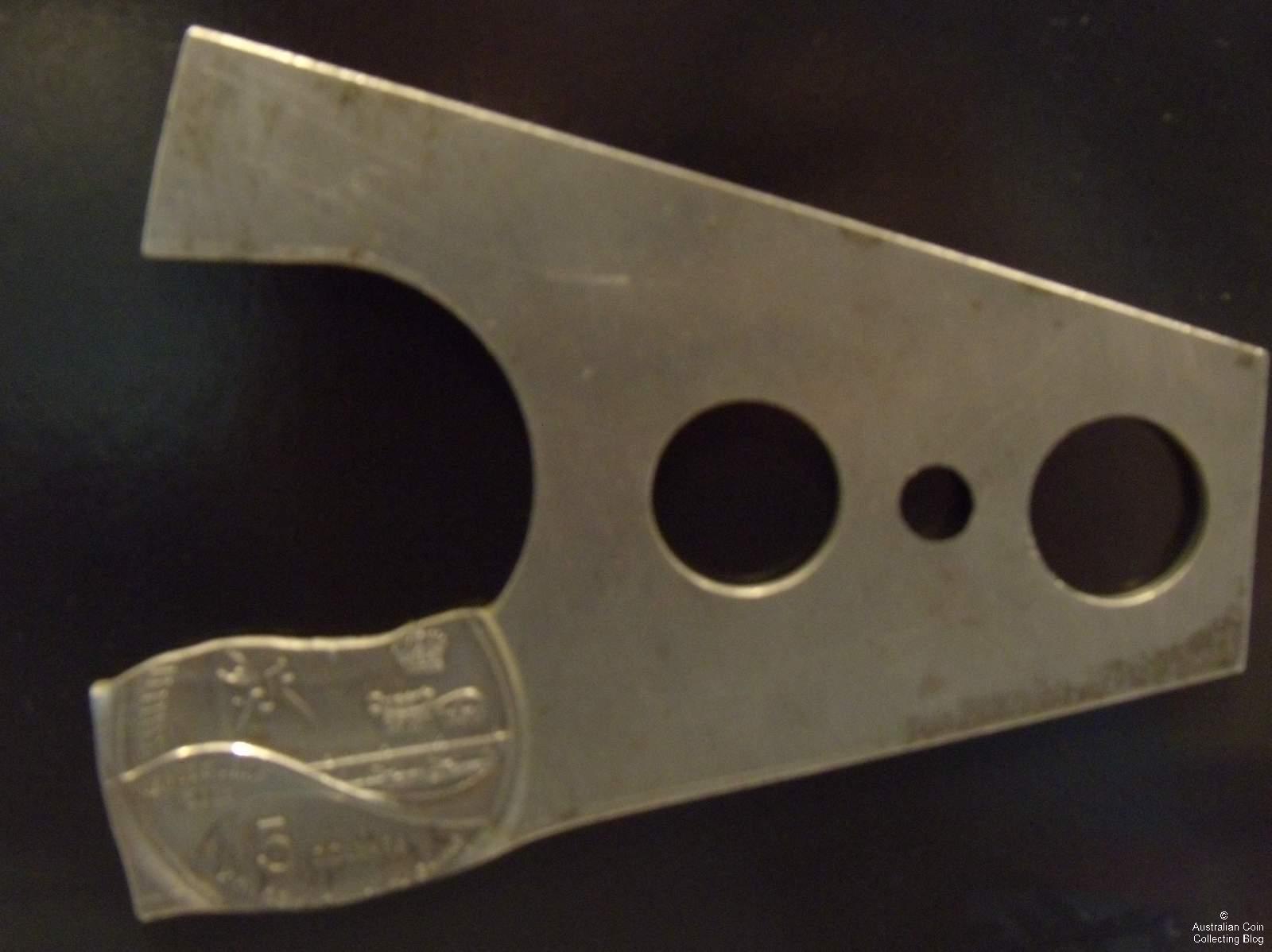
Do you see what I see? The eagle eyed collector will see parts of the design of the two dollar coin struck on, what, a five cent planchet? That’s correct, this coin is a $2 coin, it’s been through the $2 minting press but it’s a planchet intended for a 5 cent piece, made of cupro-nickel. The extreme weakness of strike is in fact a result of the 5 cent planchet being so small in the press striking $2 coins.

A $2 coin weighs 6.6 grams, has a diameter of 20.5 millimeters and a thickness of 2.8 millimeters. This planchet however, was intended to be a 5c which weighs 2.83 grams, has a diameter of 19.41 millimeters and a thickness of just 1.3 millimeters. It’s the thickness of the 5 cent blank, less than half a $2 blank should be that has resulted in such a weak strike. The diameter is also just a little smaller so this wrong planchet had no trouble dropping into the production press.

It’s probable that a stray blank just ended up in the wrong barrel of blanks when the Royal Australian Mint was striking $2 somewhere between 1999 and 2015. The coin shows the Ian Rank-Broadley portrait of the Queen used from 1999 and this coin was found in 2015.

If you’re not seeing it yet watch the GIF’s below and it becomes much clearer and we can see how such a coin could easily be sold as a blank planchet. Do you have a blank coin in your collection that has been struck? If it has the value of that coin might just have increased by 1,000%!

Posted in Error Coins

Collecting Error Coins

Australian coin errors are among the most desirable in the world and prices realised show how popular these mis-strikes are to collectors. For modern errors especially, you can only wonder if the Royal Australian Mint are so strict with their quality control that few of these pieces escape the Mint. As an error collector it’s important to have a handle on how each error occurred so you can be sure the coin you are buying is a genuine coin. It’s both interesting and important to know how the presses work and have an idea of how different types of error coins are made and how they left the Mint without being spotted.

Some types of errors are so rare among Australian coins that the natural (and much more affordable) way to satisfy collecting urges and complete a collection is to find a desired error type on a world coin. For Australian error collectors pre-decimal Commonwealth coins are a natural choice because the obverse of other Commonwealth coins often bear the same portraits of the Kings and Queen that we are already used to. Countries such as Great Britain, New Zealand, Fiji, Ghana and Zambia fall into this category.   If a Commonwealth country can’t supply the error you want then it can be worth looking at countries such as India or Pakistan whose coin manufacturing quality control is poor, resulting in a large number of error coins of different types being available.  Also, the USA at certain times in their history had poor quality control, especially in the Lincoln cent denomination and interesting types errors are usually always able to be bought.  The smart collector who looks outside of Australia at such countries can easily find spectacular errors such as broadstrikes, large off-centers, and double strikes for well under $50, while the same error on an Australian coin would be worth hundreds or even thousands of dollars.

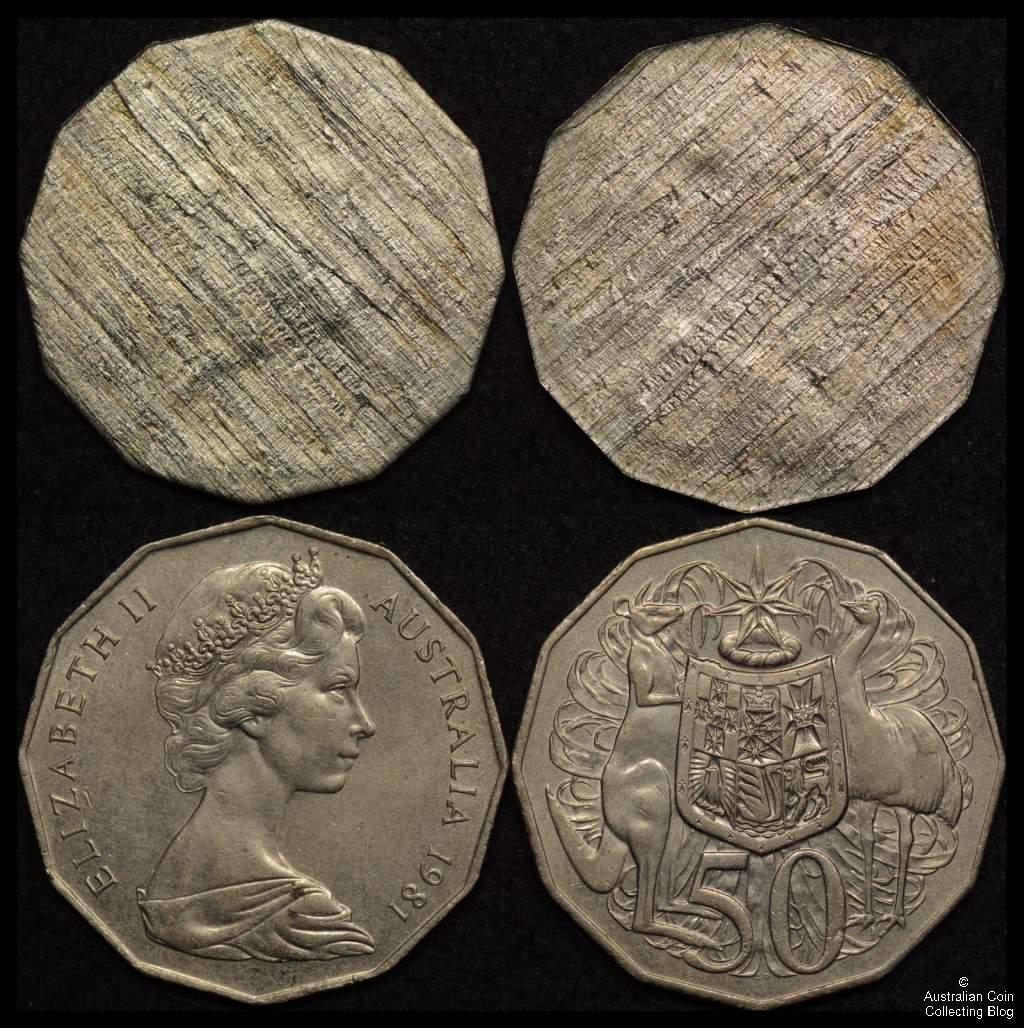
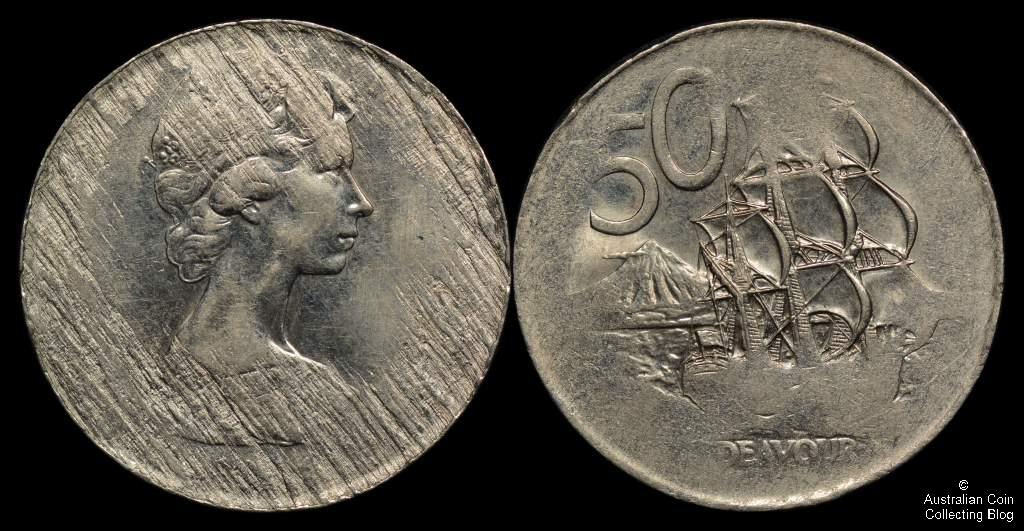
Below is an error rarely seen on an Australian coin. It’s a type of split planchet error where the planchet split in two pieces before the coin was struck. So the coin was struck on only a half thickness planchet and the result is a weak strike with visible striations on one side where the planchet split. It’s extremely rare to see this on an Australian coin and if found would fetch hundreds of dollars. The examples shown, a Fiji 5 cent was picked up for just $20 on eBay and the British 5 pence came from a coin dealers cabinet for $40.  Interestingly both error coins shown here were minted at the Royal Mint.

Great Britain 1970 5 Pence Error

Great Britain 1970 5 Pence Error

Fiji 1969 5 Cent Error

Fiji 1969 5 Cent Error

The coin below is a double struck error coin, the second strike 90% off centre. It’s from Nigeria and is graded by PCGS as MS64BN or choice uncirculated. A stunning high grade error coin that if Australian would fetch many hundreds of dollars. It was in fact purchased in the slab for less than what it would cost to put the coin in that slab! For a keen error collector it’s a no-brainer to pick up these errors when they are seen to satisfy the collecting urges. Interestingly again this coin is from another British colony and was struck at the Royal Mint.

Nigeria 1959 Penny Error

Nigeria 1959 Penny Error

Posted in Error Coins

1966 Upset 10 Cent Coin

Figure 1. 1966 10 cent Upset Variety

Figure 1. 1966 10 cent Upset Variety 145 degrees approx. 5 o’clock

Figure 2. 1966 10 cent Upset Variety 285 degrees approx. 9:30 (o'clock)

Figure 2. 1966 10 cent Upset Variety 285 degrees approx. 9:30 (o’clock)

The hunt for special error coins and varieties continues as we add new items and check them off our bucket list. One of those elusive varieties was found recently, the upset 10 cent piece of 1966. Minted in London for the changeover to decimal currency the first year of issue this Australian 10c variety shows itself off on various degrees of rotation.

Whilst 10,940,000 1966 10c were Minted in Canberra at the Royal Australian Mint, another 30 million were minted at the Royal Mint in London. It was here that just one die was incorrectly seated in the press whilst striking the 10c pieces and that die rotated during the production run causing all manner of rotated or upset coins. In saying this though, these coins are quite hard to find.

Pick up an Australian coin and hold the reverse (or tails side) straight upright between your thumb and forefinger. Spin the coin around and you should see an upright Queen (or King). If the portrait is rotated then you have an upset.

These 2 examples (shown above) of uncirculated upset 1966 10c give us insight into what likely happened. They are clearly from the same set of dies exhibiting the same die polish lines but the rotations are differing degrees. This can be referred to as time on the clock – figure 1 5 o’clock and figure 2 9:30 (o’clock). One would expect there to in fact be the entire rotating clock face of coins to find.

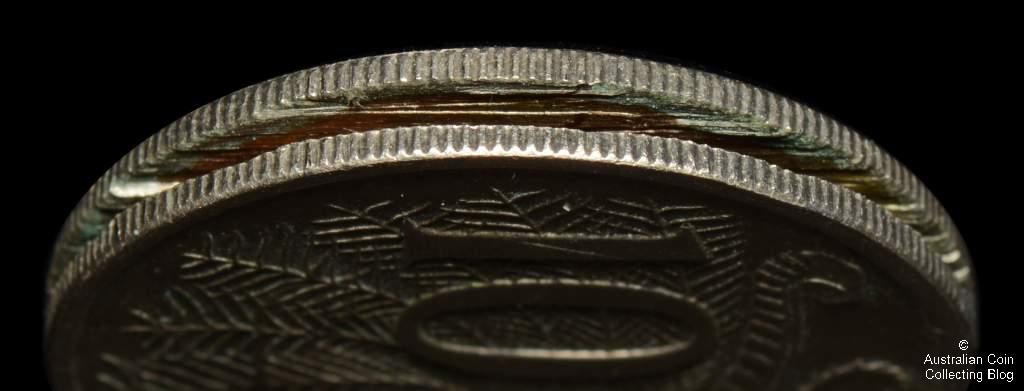
Examining the 2 coins imaged we have determined which die was rotating by comparing how the edge milling matches with elements in the design. Because the edge milling lines up differently on the obverse of both coins we can deduce that this was the die that was rotating.

Other examples have been found with a stunning coin graded PCGS MS64 rotated 180 degrees or 6 o’clock that was recently sold by a leading coin dealer. Noodlers interested in varieties have found circulated coins rotated 70 degrees, 80 degrees, 310 degrees and 345 degrees.

So here’s to all the coin noodlers out there, something to add to your list of cool things to look out for!

Posted in Error Coins

Site Search

Sponsors

Upcoming Coin Collecting Events:

no event

Australian Numismatic Calendar

Current Coin Values, Bullion Prices and Exchange Rates

AUD $29.73
Australian 1966 Round 50c
AUD $1,482.99
Gold Sovereign
AUD $1,856.50
Australian $200 Gold Coin
AUD $87.04
Silver Price (per Oz)
AUD $6,299.32
Gold Price (per Oz)
USD $0.6642
Australian Dollar

 
These values are updated hourly using New York market prices. Coin values are purely the value of the gold or silver they contain and do not account for any numismatic value.
Prices Last Updated: 06:04 10 Dec 2025

Subscribe via Email

Enter your email address to subscribe to the Australian Coin Collecting Blog and receive emails about new posts.

Archives